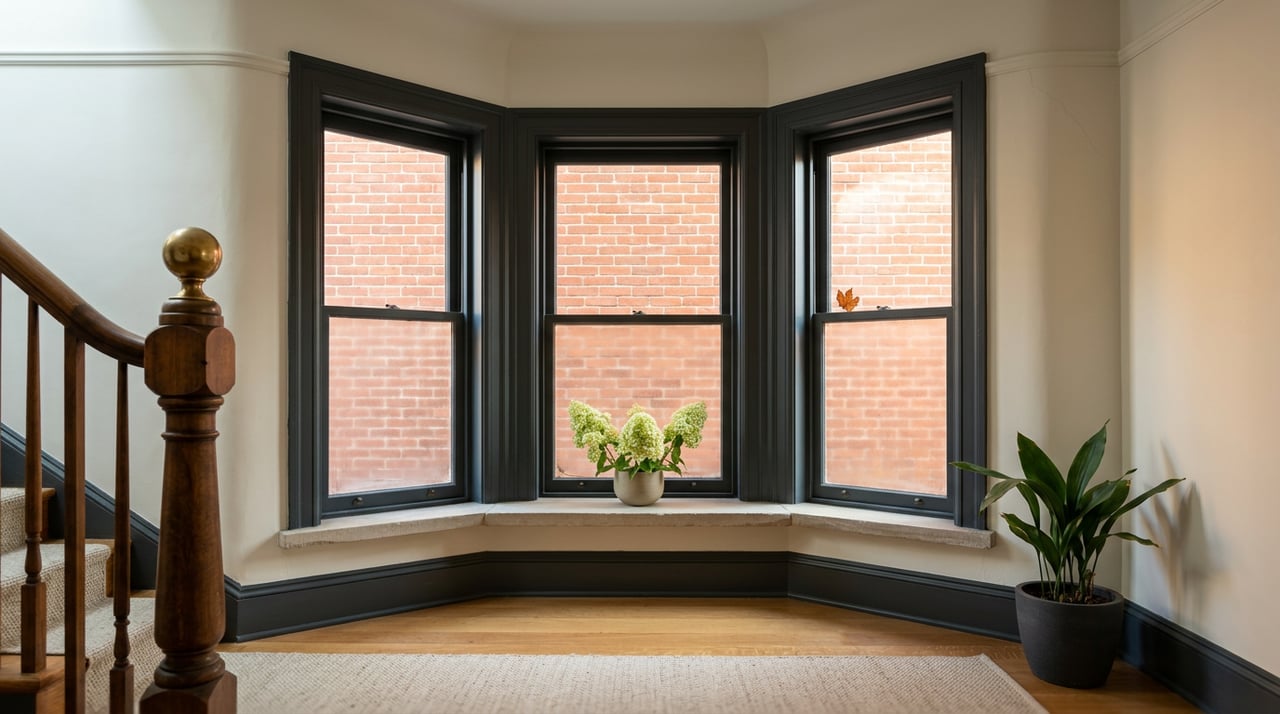
What a Pre-Listing Inspection Actually Surfaces on a Lincoln Park Graystone
July 23, 2026
July 23, 2026
Most Lincoln Park sellers treat the inspection as a buyer's problem. It arrives after an accepted offer, produces a list, and forces a scramble against a closing clock. That sequence is the problem, not the report.
Order the same inspection two weeks before the sign goes in the ground and every finding stops being a concession request. It becomes a private pricing decision, made on your calendar, with the language you choose.
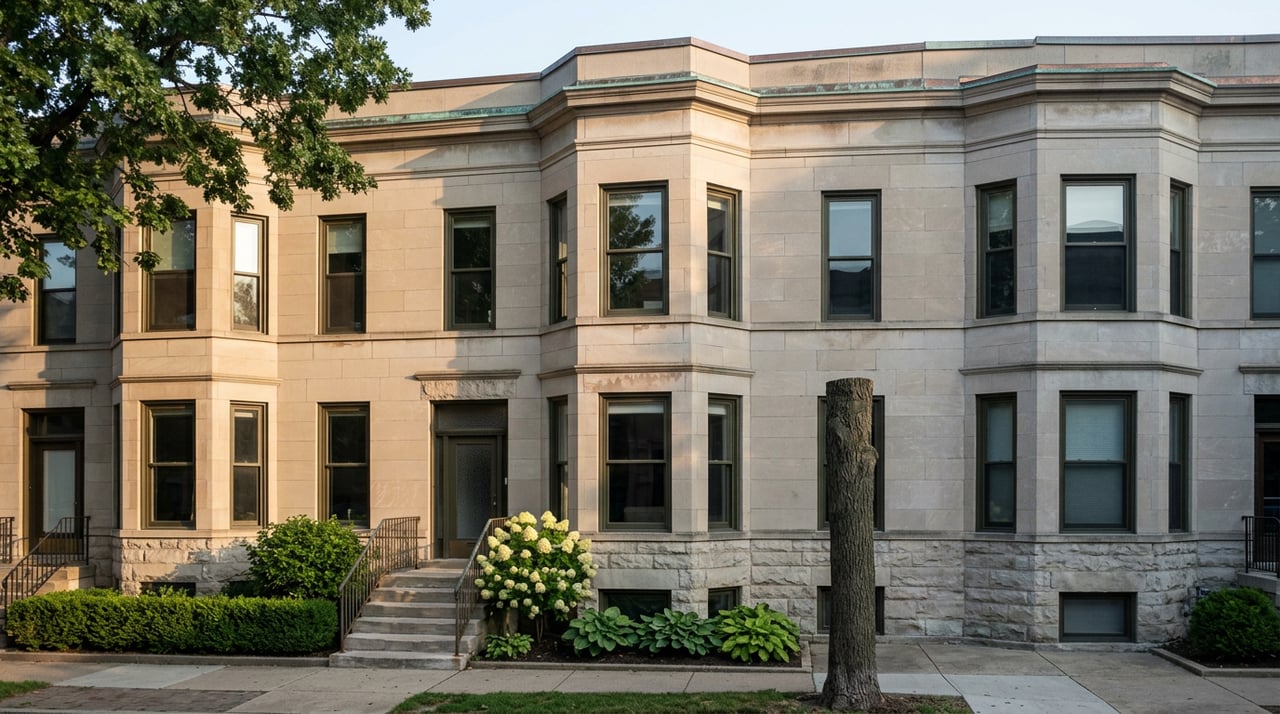
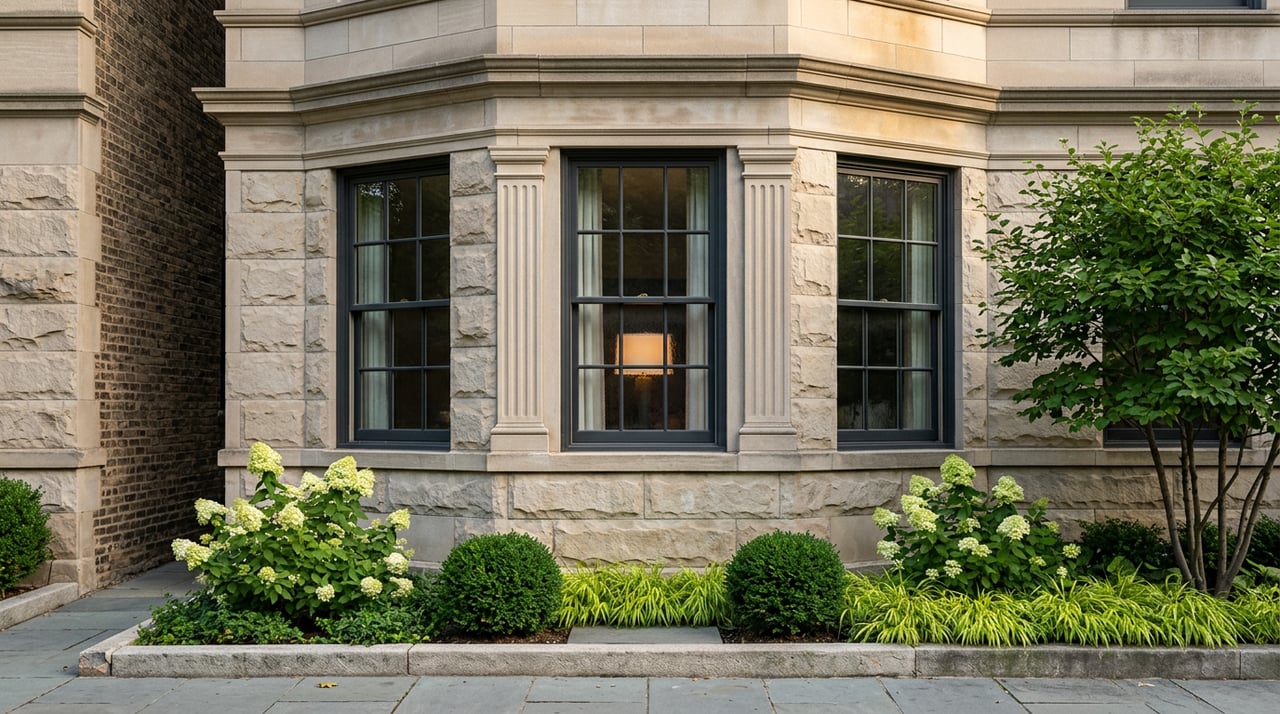
Vintage graystones and two-flats north of Armitage are not generic housing stock. They are limestone-over-brick envelopes built between the 1890s and the 1920s, sitting on clay sewer laterals, wired for a smaller electrical era, and stacked next to mature parkway trees. Buyer-side inspectors know exactly where to look. Sellers who understand the same short list get to move first.
Masonry envelope and mortar composition. The single most expensive surprise in this housing stock is a facade repair triggered by the wrong tuckpointing job. Vintage two-flats and greystones were built with soft lime-and-sand mortar so the walls could breathe and shift; when a prior owner or budget contractor overlaid Portland cement, moisture gets trapped inside the porous Chicago common brick and the outer face literally pops off in freeze-thaw cycles. Spalling walls, sagging cornices, and parapet leaks are the visible symptoms. The Historic Chicago Greystone design guidelines treat these as symptoms of a larger water-penetration or settlement issue, not a cosmetic fix.
Sewer lateral condition. Standard inspections in Chicago exclude the sewer by design. The common blind spot for pre-1970s homes is a clay lateral cracked by root intrusion from a mature parkway elm or oak. Replacements routinely start at $5,000 and climb quickly on a Lincoln Park block where the tap is under a mature tree, a paved gangway, or a rebuilt sidewalk.
Legacy electrical and plumbing. Century-old greystones that have not been fully modernized often still carry knob-and-tube wiring in the walls, ungrounded two-prong outlets, galvanized steel supply lines, and cast-iron drain stacks corroding from the inside. A full rewire in this housing stock lands in a five-figure range that buyers use aggressively at the negotiating table.
Certificate of Occupancy and legal unit count. A finished basement or attic apartment that reads as a unit on the listing but is not on the C of O will disrupt financing and can trigger a full re-price mid-contract. This is the finding most likely to kill a Lincoln Park two-flat deal outright.
Radon and other exclusions. Radon is not part of a standard inspection, yet roughly 40% of Illinois homes test above EPA action levels. A buyer who orders their own test post-acceptance and gets a hit will ask for mitigation, credit, or both.
The gap between the seller's number and the buyer's number widens the later a finding appears. These are typical ranges Lincoln Park sellers see quoted when a buyer's inspector, not their own, brings the item to the table.
| Finding | Typical ask when buyer surfaces it |
|---|---|
| Clay sewer lateral, root intrusion | $5,000 to $15,000, higher under parkway trees |
| Full rewire from knob-and-tube | $15,000 to $30,000 for a graystone-scale home |
| Repointing with historic-appropriate mortar | $20,000 to $60,000+ per elevation |
| Cornice or parapet stabilization | $10,000 to $40,000 depending on scope |
| Radon mitigation system | $1,200 to $2,500 |
| Sewer scope add-on (buyer-ordered) | $250 to $400, but changes negotiating posture |
| Baseline pre-listing inspection | $350 to $600 for a 2,000 sq ft home, per Chicago 2026 inspection pricing |
Read the last row against the first four. The instrument that surfaces every one of these findings on the seller's timeline costs less than the smallest credit any of them will trigger under contract pressure.
A pre-listing report is only useful if it drives a decision. For each material finding, you have four moves.
Address it, price it in, credit it, or disclose it. Every line on the report gets one of these four labels before the property goes live.
Address it when the item is a safety issue, a lender-flagged defect, or a finding that will visibly appear in every buyer's own inspection report. Bowing masonry, active roof leaks, non-functional main systems, and open permit violations belong here. Fixing these before listing means the photos, the showings, and the disclosure packet all tell the same story.
Price it in when the item is real but the fix is a matter of taste or a system with useful life remaining. A twenty-year-old boiler running fine, original single-pane sashes, or a kitchen the next owner will gut anyway. Reflect the condition in the list price and defend the number with the pre-listing report itself when a buyer's agent pushes.
Credit at closing when the fix is straightforward, the estimate is defensible, and doing the work now delays the listing without adding value. A radon mitigation quote from a licensed contractor, a sewer scope report with a clear repair scope, an electrical panel bid. The credit converts a negotiation into a math problem.
Disclose when the item is cosmetic, historical, or informational. Illinois requires disclosure of known material defects, and the higher-value posture is documented candor. A seller who volunteers a completed sewer scope, a masonry contractor's ten-year plan, and a radon test result signals a building that has been managed, not staged.
The framework matters because a graystone that has been prepared this way trades on a different curve than one that has not. Sophisticated Lincoln Park buyers and their agents can tell within one showing which category a listing falls into.
Look at where Lincoln Park is right now. Redfin recorded a $700,000 median sale price in Lincoln Park in March 2026, down 5.9% year over year, with homes averaging 47 days on market. By June 2026, Movoto put the median list price at roughly $899,000 with active listings sitting a median of 11 days before going under contract.
That divergence between sale and list, and between 47 days and 11 days, is not a market swinging in one direction. It is a market pulling apart into two lanes. Prepared listings that show clean, price to the report, and hand a buyer's agent nothing to work with are transacting in under two weeks. Listings that arrive with visible deferred maintenance and a "we'll deal with inspection when it comes" posture sit long enough to accumulate price drops that outrun any repair they would have made up front.
A pre-listing inspection is how a graystone seller chooses which lane to be in. The building is what it is on closing day either way. The only question is who narrates the condition first.
Does a pre-listing inspection have to be disclosed to buyers? The report itself is yours. Illinois requires disclosure of known material defects, so anything the report surfaces that meets that standard belongs on the Residential Real Property Disclosure. A local real estate attorney should confirm what rises to that bar for your specific findings.
Will buyers still order their own inspection? Yes, and they should. The point of going first is not to replace the buyer's inspection. It is to make sure your report and theirs describe the same building, which is the fastest way to close negotiation on the inspection contingency.
What add-ons are worth ordering on a graystone specifically? A sewer scope, a radon test, and a masonry-experienced inspector for the facade and cornice. On a two-flat, add a review of the Certificate of Occupancy and any open permits. On a converted single-family with a garden unit, verify the legal unit count before the listing photos go live.
How far ahead of listing should the inspection happen? Far enough that you can execute on whatever you decide to address. For most Lincoln Park graystones that means four to eight weeks before the property goes active, longer if repointing or cornice work is on the table and the block is in a landmark district.
The BRAND Real Estate Group builds Lincoln Park listings around the report the buyer has not seen yet. If you own a graystone, brownstone, or vintage two-flat and are thinking about the next twelve months, we will walk the building with you, identify the findings that will actually move the deal, and price the presentation around them. Request a White-Glove Market Consultation with Keith Brand to start the conversation.
Stay up to date on the latest real estate trends.
We pride ourselves in providing personalized solutions that bring our clients closer to their dream properties and enhance their long-term wealth. Contact us today to discuss all your real estate needs!

THE BRAND GROUP
1775 N CLYBOURN AVE #1 CHICAGO IL 60614