Lincoln Park Condo Or Townhome: Choosing The Right Fit
May 28, 2026
May 28, 2026
Trying to choose between a condo and a townhome in Lincoln Park can feel simple at first, until you realize the label on the listing does not always tell you how the property actually works. If you are weighing privacy, outdoor space, maintenance, monthly costs, and future resale, the details matter more here than many buyers expect. In this guide, you will learn how condo and townhome ownership differ in Illinois, what matters most in Lincoln Park’s housing stock, and which questions can help you make a smarter decision. Let’s dive in.
Lincoln Park is a strong fit for buyers considering attached housing because that is a major part of the neighborhood’s housing mix. According to CMAP’s April 2025 local housing profile, 29.7% of units are in 5 to 49 unit buildings and 32.1% are in buildings with 50 or more units. By comparison, 20.2% of units are in single-unit structures and 17.8% are in 2 to 4 unit buildings.
That matters because if you are shopping in Lincoln Park, you are more likely to compare different forms of shared or semi-shared living than to choose between a high-rise condo and a fully detached house. The same profile reported 1,903 residential sales in 2022 and a median residential sales price of $610,000, which gives helpful context for how active and established this market is.
Lincoln Park also has older housing stock than the regional average. CMAP reports a median year built of 1970, and 33.9% of housing units were built in 1939 or earlier. For you as a buyer, that makes building condition, reserve planning, and upcoming capital work especially important whether you choose a condo or a townhome.
In Illinois, a condominium owner holds fee simple ownership of the unit and also shares ownership in the common elements. State law also defines limited common elements, which can include balconies, terraces, patios, and parking spaces or facilities that are reserved for one or more units.
This is why a condo can feel private in some ways while still operating under shared rules and shared responsibilities. The condominium association, through its board of managers, handles the governance structure behind that arrangement.
A townhome describes a building style, not one single ownership structure. Under Illinois law, a common interest community may include attached or detached townhomes, villas, or single-family homes.
In practice, that means one townhome may function very differently from another. Some townhomes are part of a common interest community or planned unit development, where the HOA owns and maintains common property, while owners hold title to the lot and structure and have an interest in the HOA. The declaration, plat, and bylaws matter more than the exterior style.
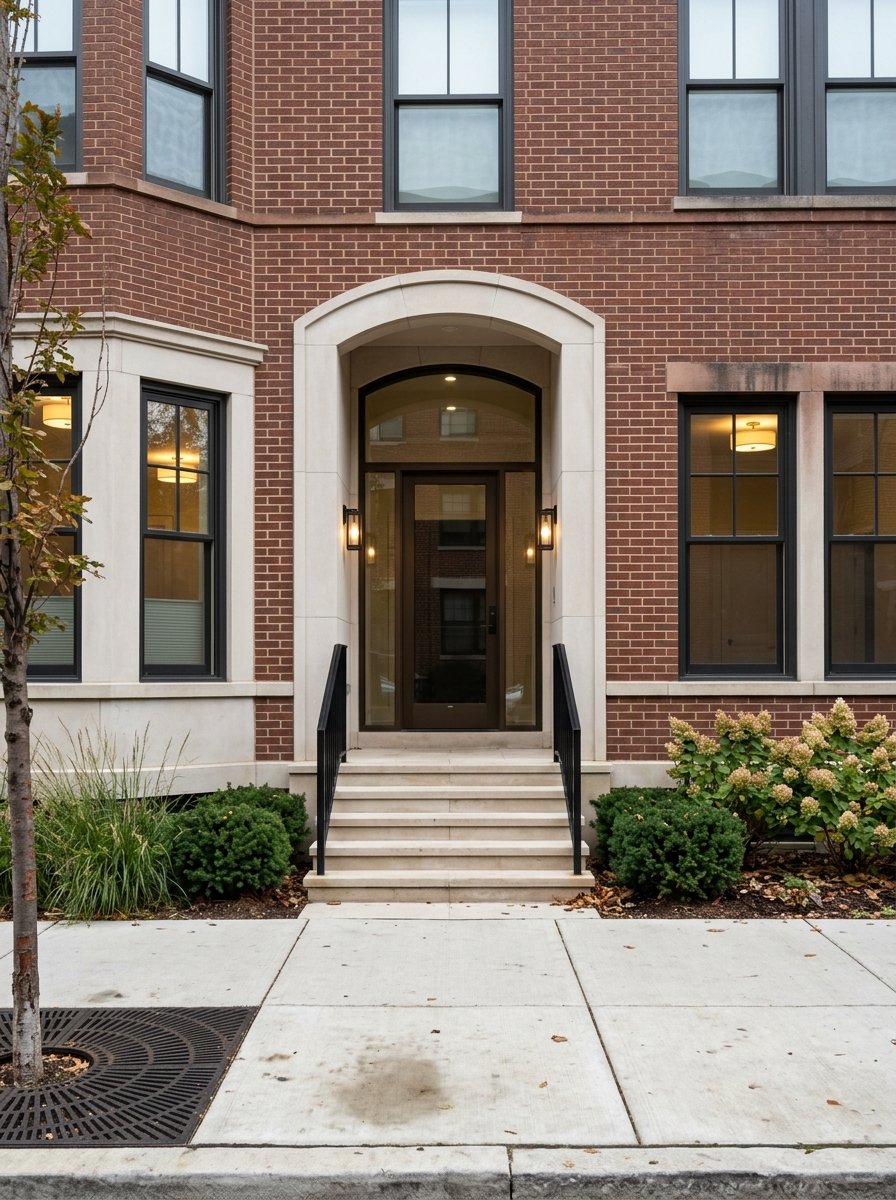
Condo living often means more shared walls, shared hallways, and shared building systems. If you value convenience and a simpler day-to-day setup, that can be appealing.
At the same time, it may mean less separation from neighbors than you would have in many townhome layouts. If privacy is high on your list, it is worth looking beyond the photos and asking how the building is configured.
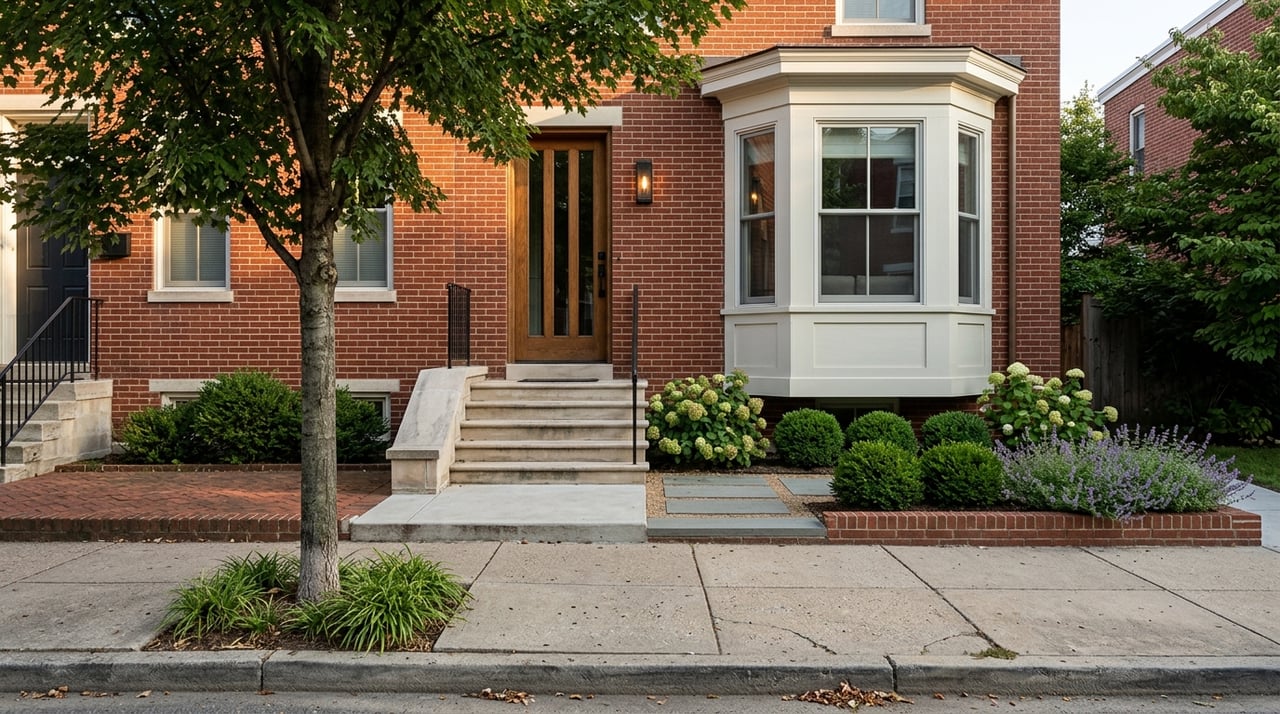
A townhome can offer a more traditional residential feel, especially if it includes direct entry and more separation across floors. That house-like feel is one reason some buyers lean toward townhomes when they want a middle ground between a condo and a detached home.
Still, you should not assume a townhome automatically gives you full control over the building shell or land. In Lincoln Park, where many properties are part of shared communities, the legal documents tell the real story.
Outdoor space can be one of the biggest decision points in Lincoln Park. Buyers often focus on balconies, patios, roof decks, yards, and parking, but the key question is not just whether the space exists. The key question is how the space is legally assigned.
In condos, those features are often limited common elements rather than fully private property. That usually means you have the right to use them, but the ownership and maintenance structure may still run through the association.
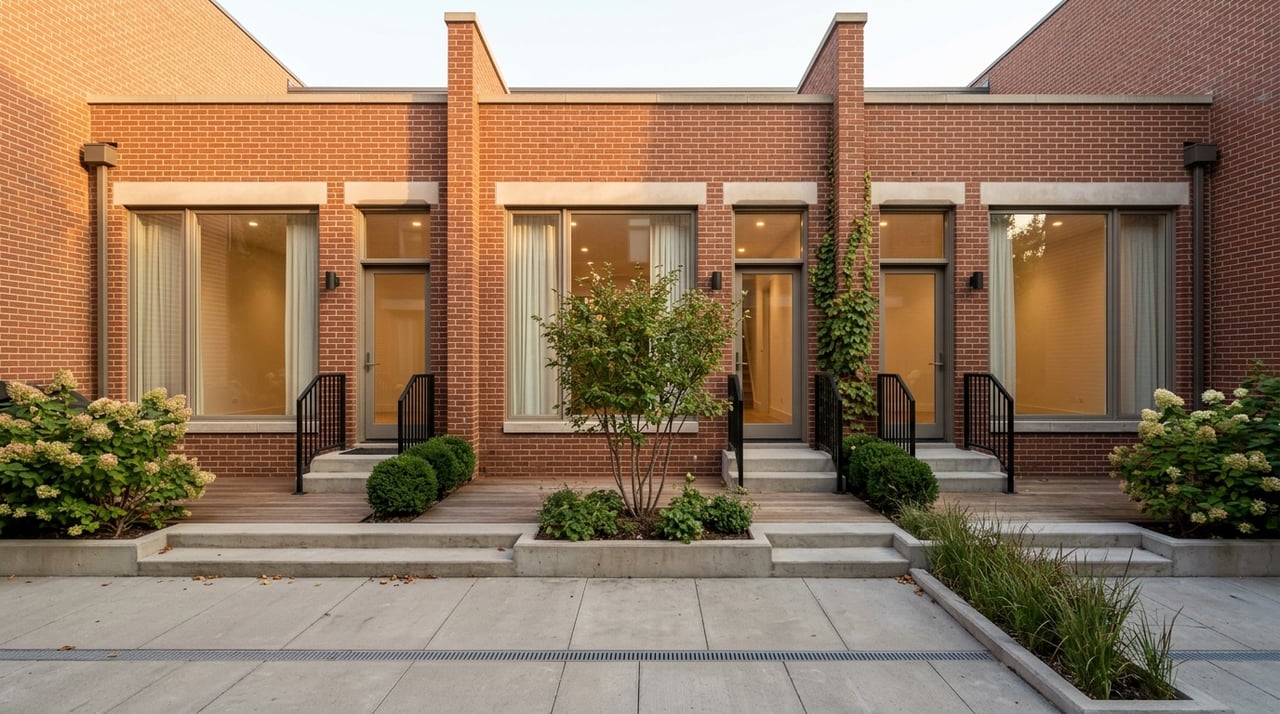
In a townhome or planned unit development, outdoor areas may feel more exclusive. But again, that depends on what the governing documents assign to the owner versus the community. If outdoor living matters to you, this is one area where assumptions can lead to disappointment.
Illinois condo law requires the association’s property insurance to cover common elements and units, including limited common elements. The law also requires associations to evaluate reserve funding based on repair and replacement cost, useful life, and the effect of assessments on unit values and financing ability.
For many buyers, this shared framework is part of the appeal. It can mean less direct responsibility for certain building-wide items, though you still need to understand what your monthly assessment covers and what costs stay with you personally.
Many buyers assume a townhome means fewer fees and fewer shared costs. That is not always true in Illinois.
Townhome communities can still charge mandatory assessments for maintenance, improvements, insurance premiums, or real estate taxes tied to common areas. So if you are choosing a townhome mainly to avoid monthly costs, make sure the numbers and responsibilities support that decision.
In Lincoln Park, association review is not a side task. It is a major part of smart due diligence.
For Illinois condo resales, sellers must make available key documents and disclosures, including the declaration, bylaws, rules, unpaid assessments, anticipated capital expenditures, reserve fund status, financial statements, pending suits or judgments, insurance information, and whether prior alterations appear to comply with condominium instruments.
That gives you a strong framework for evaluating risk before you close. It also means you should pay close attention to reserve health, recent or planned special assessments, and whether the association appears prepared for future repairs.
Because Lincoln Park has a median year built of 1970 and a large share of pre-1940 housing, major capital items may be closer on the horizon in some buildings and smaller associations. In a dense neighborhood with shared roofs, walls, and systems, that can affect both ownership costs and peace of mind.
The right property for your lifestyle should also support your long-term flexibility. Financing matters here because it can shape who may be able to buy your home when it is time to sell.
HUD states that FHA condominium loans generally require either an FHA-approved project or a project that qualifies for single-unit approval. Approval depends on factors such as insurance coverage, financial condition, title, pending legal action, and physical condition.
VA loans can also be used to buy a condominium unit in a VA-approved project. Fannie Mae likewise distinguishes condo projects from planned unit developments and directs lenders to identify the correct project type before using the proper mortgage documents.
For you, the practical takeaway is simple. If a condo project has weak finances or unresolved issues, it may be harder for some future buyers to finance, which can narrow the resale pool.
If you are deciding between a Lincoln Park condo and a townhome, focus on how you want to live and how the property is structured. A condo may be a better fit if you want a more streamlined ownership experience and are comfortable with shared building systems and association oversight.
A townhome may be a stronger fit if you want a more house-like layout and potentially more separation. But because townhome ownership can be structured in different ways, you still need to verify what you own, what the association maintains, and what your monthly obligations cover.
A good decision usually comes down to matching your priorities with the documents, not just the marketing language. In Lincoln Park, that extra layer of review is especially important because of the neighborhood’s dense and older housing stock.
Use these questions to compare one property against another:
When you have clear answers to these questions, the condo-versus-townhome decision usually becomes much clearer.
If you are comparing Lincoln Park properties and want a more guided, detail-focused approach, The Brand Group can help you evaluate the ownership structure, lifestyle tradeoffs, and resale considerations that matter most.
Stay up to date on the latest real estate trends.
We pride ourselves in providing personalized solutions that bring our clients closer to their dream properties and enhance their long-term wealth. Contact us today to discuss all your real estate needs!

THE BRAND GROUP
1775 N CLYBOURN AVE #1 CHICAGO IL 60614