A Local’s Guide To Everyday Living In Lincoln Park
May 21, 2026
May 21, 2026
If you are thinking about life in Lincoln Park, the first thing to know is this: everyday living here feels both easy and full. You can move from quiet residential streets to busy shopping corridors, from a morning by the lake to dinner on a lively commercial block, often without going far. Whether you are considering a move or just want a clearer picture of daily life, this guide walks you through what makes Lincoln Park one of Chicago’s most recognizable neighborhoods. Let’s dive in.
Lincoln Park sits on Chicago’s North Side, with boundaries described by the Lincoln Park Chamber as roughly Diversey Parkway to the north, North Avenue to the south, Lake Michigan to the east, and the Kennedy Expressway to the west. That footprint gives the neighborhood a broad mix of experiences within one area. You get residential streets, major parkland, local institutions, and several distinct business corridors.
The neighborhood is often described as a place to live, work, and play, and that framing fits daily life here. Tree-lined streets and open space shape the overall feel, while commercial pockets bring steady energy throughout the day. Major anchors like DePaul University and Presence Saint Joseph Hospital also add to the neighborhood’s daytime rhythm.
One of the biggest draws of Lincoln Park is how quickly the atmosphere can shift block to block. On one street, you may find quieter residential buildings and older rowhouses. A few minutes later, you can be in the middle of a busier retail stretch with restaurants, shops, and foot traffic.
The Lincoln Park Chamber identifies four major commercial districts: Armitage-Halsted, Lincoln-Halsted, Lakefront-Clark, and North-Clybourn. Each one adds a different layer to daily living. That means your routine can feel highly local while still offering plenty of variety.
If you like neighborhoods that support both convenience and character, Lincoln Park stands out. It can feel polished and energetic without losing the comfort of established residential blocks. For many people, that balance is what makes the area so livable.
Lincoln Park’s parkland is not just a bonus amenity. It is one of the defining parts of the neighborhood. According to the Chicago Park District, Lincoln Park totals 1,188.62 acres, giving residents access to an unusually large stretch of open space along the lakefront.
This section of the park includes well-known destinations like Lincoln Park Zoo, the Lincoln Park Conservatory, Theatre on the Lake, the Alfred Caldwell Lily Pool, the North Pond Nature Sanctuary, the Chicago History Museum, the Peggy Notebaert Nature Museum, and North Avenue Beach. In practical terms, that means your everyday options can include a lakefront walk, a museum visit, beach time, or a quiet nature loop, all close to home.
For many residents, the park becomes part of the weekly routine. It is where people run, stroll, bike, meet friends, or simply reset after work. That direct access to open space gives Lincoln Park a lifestyle edge that is hard to miss.
The Lakefront Trail is a major part of how people use the neighborhood day to day. The Chicago Park District notes that the trail includes dedicated bike and pedestrian routes and runs from Ardmore Avenue to 71st Street. It supports commuting, running, cycling, and casual walks.
That matters because it expands how you move through the city. If you prefer a car-light routine, the trail offers a practical and scenic option for getting around or staying active. It also connects Lincoln Park to a much larger stretch of Chicago’s lakefront.
North Avenue Beach adds a more social outdoor experience, with a beach house and wide lake views. If you want a quieter setting, North Pond and South Pond offer native habitat areas and walking loops that feel more tucked away. Together, these spaces make it easy to shape your outdoor routine around your pace.
Some of Lincoln Park’s best-known attractions are also easy to fold into everyday life. Lincoln Park Zoo describes itself as a free, family-oriented wildlife experience in the heart of Chicago, just steps from the lakefront trail. That makes it less of a special-occasion destination and more of a regular neighborhood asset.
The Lincoln Park Conservatory offers another free escape, with tropical palms, ancient ferns, and four display houses. The Alfred Caldwell Lily Pool adds a smaller, more reflective natural space at the edge of the zoo. If you value accessible cultural and outdoor amenities, Lincoln Park offers a lot within a compact area.
Lincoln Park’s shopping and dining scene is not concentrated in just one place. Instead, it is spread across several walkable corridors, each with its own personality. This gives the neighborhood a layered feel and helps daily errands, dining, and leisure blend together more naturally.
The Chamber highlights Clark Street and Diversey as a pedestrian-heavy shopping corridor near major lakefront attractions. The Clybourn Corridor is known for national brands and home goods or furniture stores. The Armitage-Halsted-Webster area stands out as a historic district known for high-end clothing, handmade accessories, and one-of-a-kind gifts.
That variety supports a lifestyle where you can get a lot done without leaving the neighborhood. You can run errands, browse shops, grab dinner, and add in a cultural stop, all in the same part of town. For many residents, that is a major part of Lincoln Park’s appeal.
The Armitage-Halsted hub is one of the neighborhood’s best-known dining pockets. The Chamber points to wine bars, tapas, ramen, quick bites, and gift shops, making it a strong option for both casual outings and more social evenings.
The North-Clybourn hub brings in big-brand retail and entertainment at NEWCITY. The Lincoln-Halsted hub adds DePaul University, Lincoln Common, music venues, and the DePaul Art Museum. In everyday terms, these districts help create a neighborhood where your plans can shift easily from practical to fun.
Transit is a major part of daily life in Lincoln Park. CTA access includes Fullerton, which serves the Red, Brown, and Purple lines, along with Armitage and Sedgwick on the Brown and Purple lines, plus North/Clybourn on the Red Line. Bus connections serve these stations as well.
For many people, that network supports a car-light lifestyle. Combined with walkable retail streets and the Lakefront Trail, Lincoln Park makes it realistic to handle many daily trips on foot, by bike, or by transit. That flexibility is one reason the neighborhood works for a wide range of routines.
If you commute, travel across the city often, or simply like having options, this transit access can be a real advantage. It helps connect the neighborhood to the rest of Chicago while still preserving a distinctly local feel.
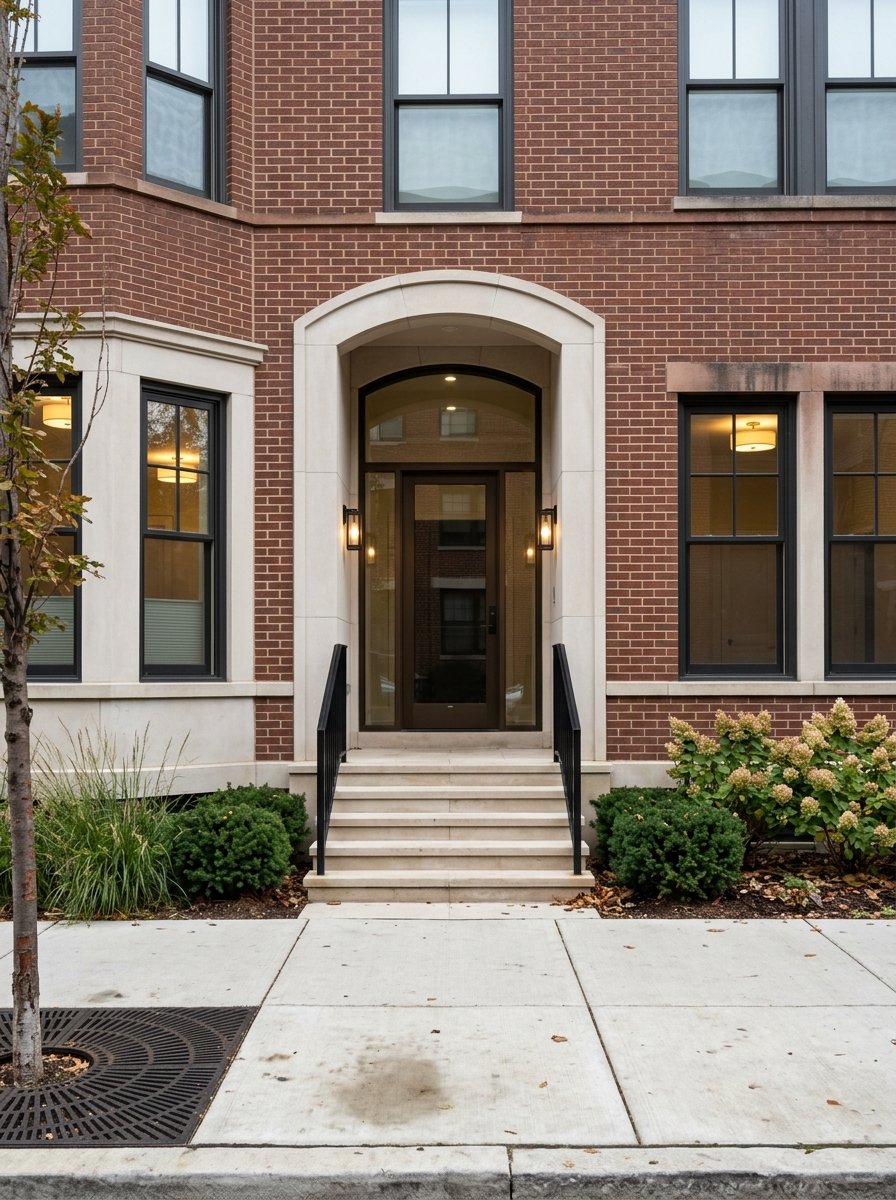
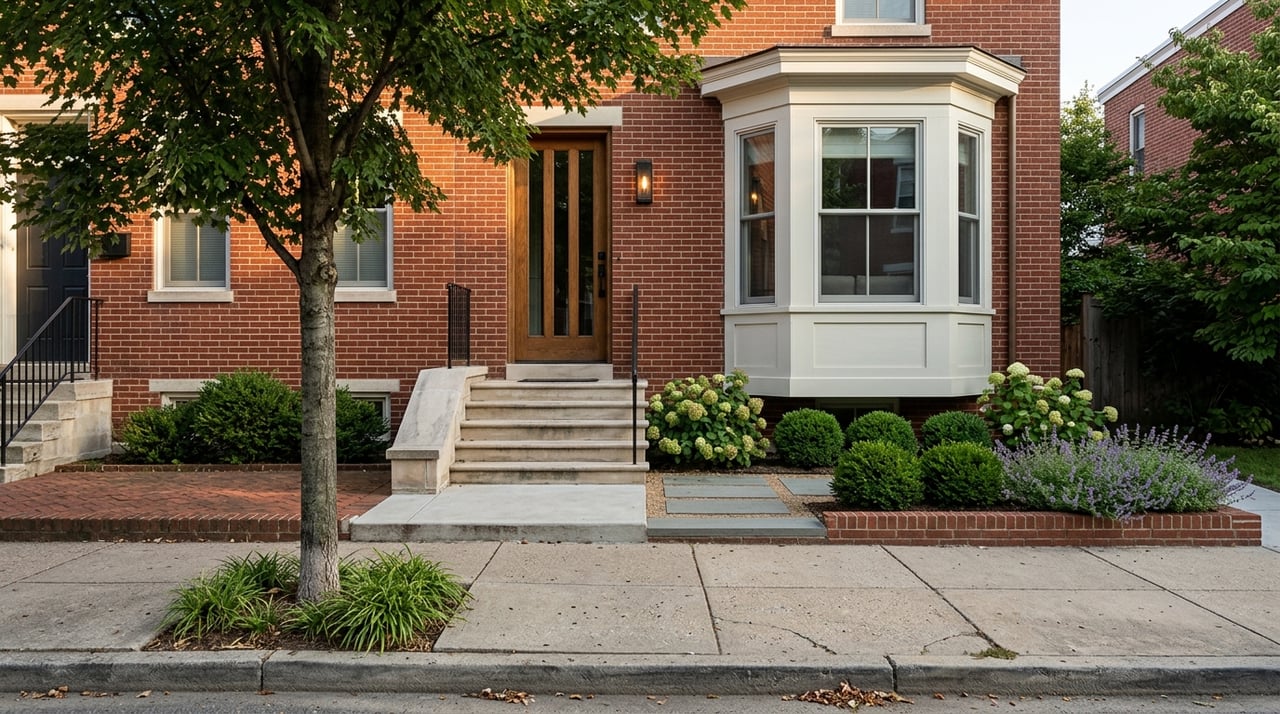
Lincoln Park’s housing stock reflects both its history and its ongoing growth. Landmark examples listed by the City of Chicago include the Fremont Row House District, the Lincoln Avenue Row House District, the Burling Row House District, and the early high-rise Brewster Apartments. These properties help give parts of the neighborhood a strong architectural identity.
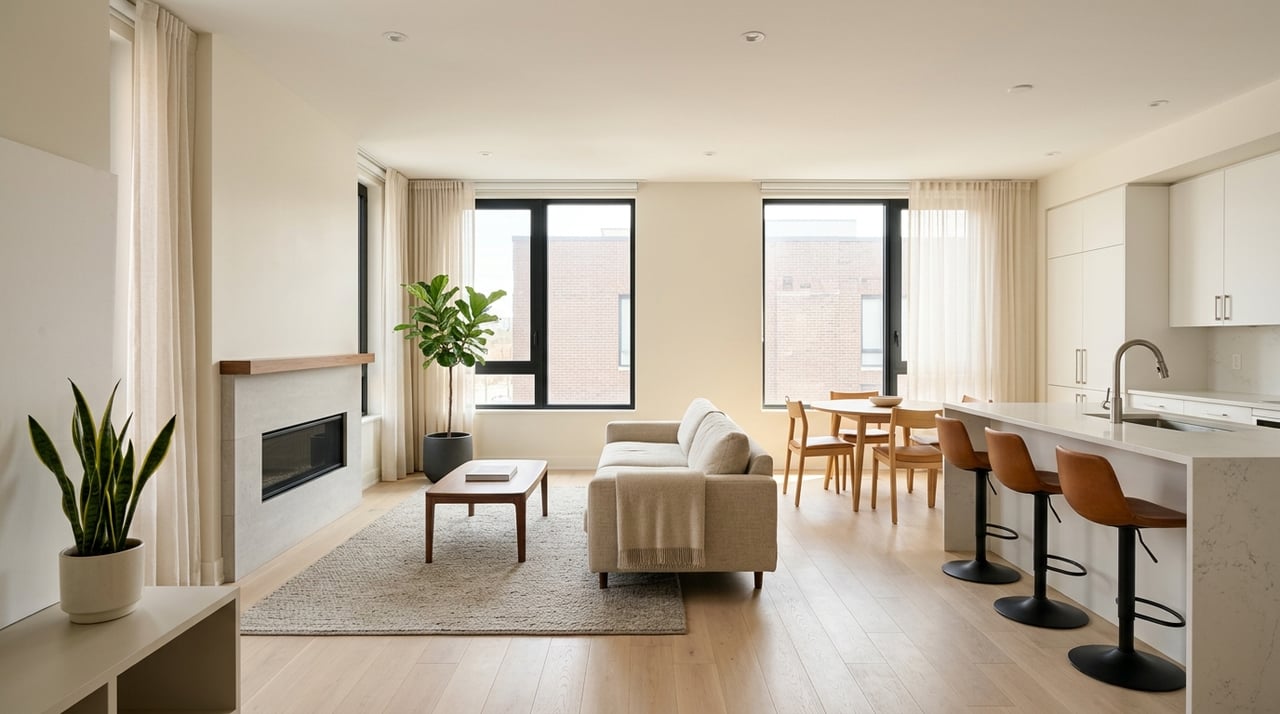
At the same time, newer development is also part of the picture. Lincoln Common includes apartments and condominiums in a mixed-use setting with retail, dining, fitness, office space, and a senior living component. That contrast gives Lincoln Park a layered housing experience.
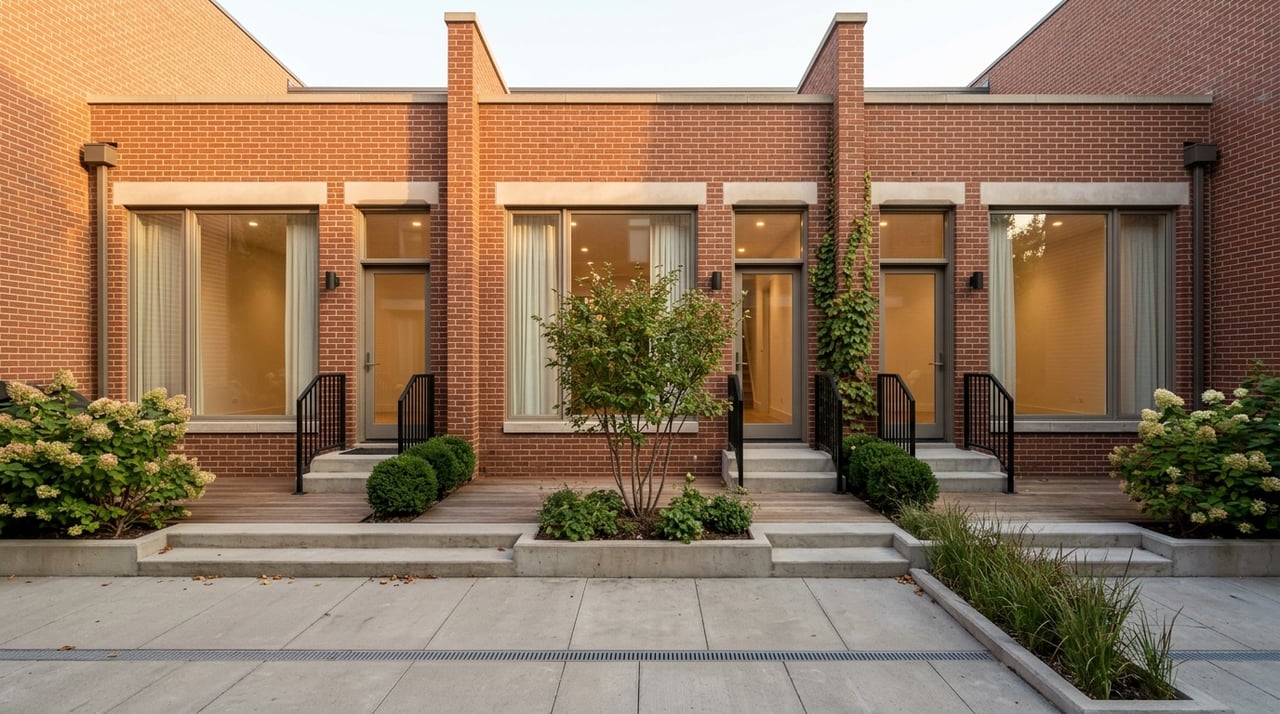
In simple terms, one block may feel historic while the next feels contemporary. Rowhouses, apartments, condos, and mixed-use projects coexist in the same neighborhood. If you are exploring housing options, that means Lincoln Park offers a broad range of living styles within one area.
Weekends in Lincoln Park can be as active or relaxed as you want them to be. A common day might start with coffee and a walk along the Lakefront Trail, followed by time at North Avenue Beach or a quieter loop around North Pond. Later, you might head to the zoo, conservatory, or a museum.
From there, it is easy to shift into shopping or dinner along Armitage, Clark, Clybourn, or Lincoln. Because so many amenities are close together, your day can stay flexible. That convenience helps everyday life feel less scheduled and more spontaneous.
Lincoln Park offers a combination that is hard to replicate. It pairs major green space and lakefront access with active commercial streets, strong transit connections, and a housing mix that spans historic and modern styles. For many people, that creates a neighborhood experience that feels both practical and aspirational.
If you are looking for a Chicago neighborhood where daily life can include nature, culture, errands, dining, and transit access in one place, Lincoln Park makes a strong case. Its appeal is not built on one feature alone. It comes from how all of those features work together.
If you are exploring neighborhoods and want thoughtful guidance backed by a polished, client-first approach, The Brand Group is here to help you navigate your next move with care and clarity.
Stay up to date on the latest real estate trends.
We pride ourselves in providing personalized solutions that bring our clients closer to their dream properties and enhance their long-term wealth. Contact us today to discuss all your real estate needs!
THE BRAND GROUP
1775 N CLYBOURN AVE #1 CHICAGO IL 60614