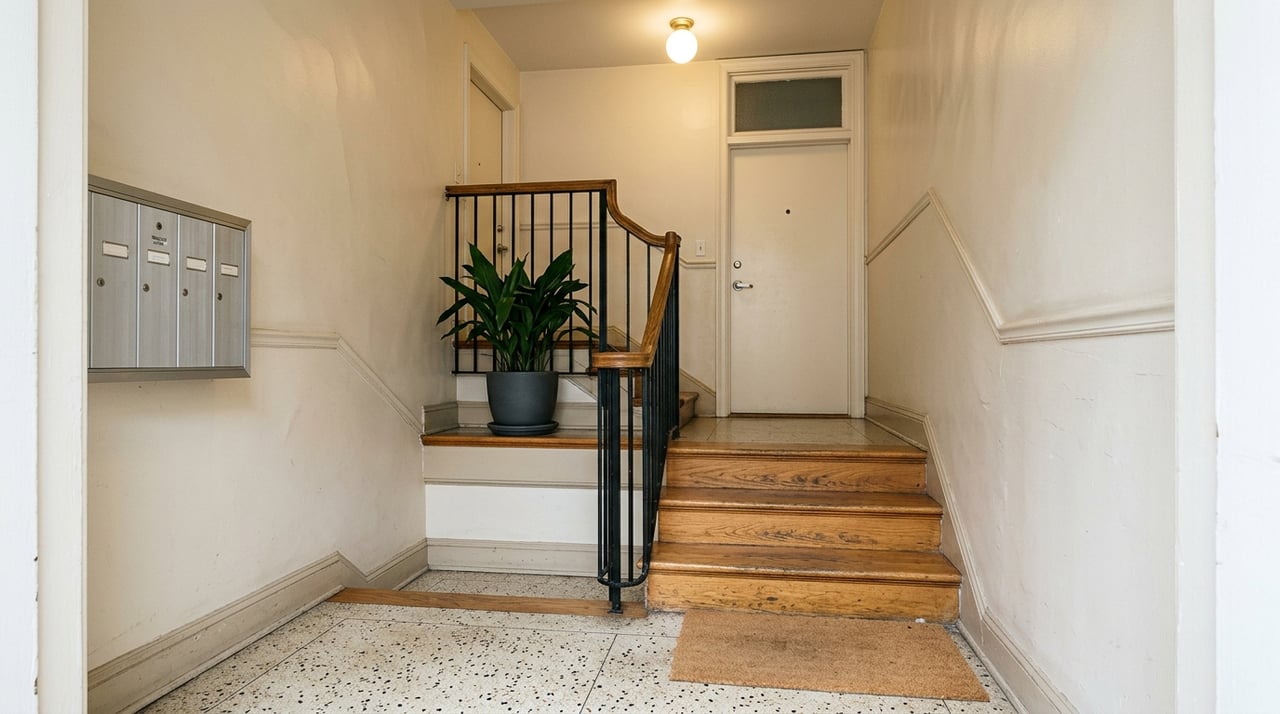
Considering A 2–4 Unit Building In West Town? Key Factors To Review
June 25, 2026
June 25, 2026
Buying a 2 to 4 unit building in West Town can look like a smart move on paper, but the details matter fast. You may be weighing house hacking, long-term rental income, or a live-in ownership plan that helps offset your monthly costs. The good news is that West Town gives you a strong small-multifamily backdrop, and this guide will help you review the financing path, occupancy plan, maintenance picture, and neighborhood demand drivers before you commit. Let’s dive in.
West Town has a housing mix that makes 2 to 4 unit buildings especially relevant. According to the 2024 Institute for Housing Studies profile, 32.2% of housing units in West Town are in 2 to 4 unit buildings, which is a larger share than single-family homes and slightly more than condominiums.
That matters because this is not a niche product in the area. West Town also had 41,660 households in the same profile, with 59.0% renter-occupied and 41.0% owner-occupied, which supports demand from both live-in owners and rental buyers.
West Town is also not one uniform market. The area includes several distinct neighborhoods, so the value of a building can shift block by block based on transit access, building condition, and nearby amenities.
Market activity also shows steady interest in this property type. West Town recorded 269 sales of 2 to 4 unit buildings in 2024, and 32.3% of those sales were to business buyers, which points to an active small-multifamily market.
For many buyers, financing is the first major filter. A 2 to 4 unit building may qualify under common residential loan programs, but the underwriting details can be very different from a single-family home or condo.
If you are buying a 2 to 4 unit property as your principal residence, Fannie Mae generally does not allow rental income from the unit you will occupy to help you qualify. However, rental income from the other units may be used if it is properly documented.
Lenders often want gross monthly rent reported for all units on principal-residence loans of this type. That may involve the appraisal, a two- to four-unit income report when applicable, and lease documents.
A few smart questions to ask your lender include:
HUD states that the FHA Single Family program is limited to one- to four-family properties that are owner-occupied principal residences. In simple terms, a live-in buyer may fit the property framework for FHA, but you still have to meet the lender’s underwriting and occupancy requirements.
That makes your occupancy plan important from day one. If you intend to live in one unit, your options may look different than if you are trying to buy a fully rented building strictly as an investment.
Your intended use affects more than financing. In Chicago, it can also affect which tenant rules apply and what needs to happen at closing.
Chicago’s Residential Landlord and Tenant Ordinance excludes dwelling units in owner-occupied premises containing six units or fewer, but two sections still apply to every rented unit in those premises within the city. Because of that, a building where you plan to live in one unit can be treated differently than a building rented out in full.
This is one reason your contract and legal review matter so much. You want clarity on what the seller is delivering and what obligations transfer with the property.
Before you move forward, ask your attorney and agent to help confirm key details such as:
These are not small details. They can shape your move-in timeline, cash flow expectations, and post-closing responsibilities.
A fresh kitchen or updated flooring can catch your eye, but with a 2 to 4 unit building, maintenance planning should go much deeper. In practice, you are buying a small operating building, not just a place to live.
Chicago code requires landlords to maintain the premises in compliance with the municipal code and to promptly make repairs needed to stay compliant. That means the real question is not only what looks dated, but what may require near-term repair to protect habitability, lender approval, or insurance placement.
Your inspection and due diligence should help you separate cosmetic items from larger building issues. Focus on the building envelope, utilities, mechanical systems, and signs of deferred maintenance.
A practical checklist includes:
If the building was built before 1978, lead-based paint disclosures usually apply to sales and most leases. EPA also notes that renovation or repair work in pre-1978 housing can create hazardous lead dust if it is not handled with lead-safe practices.
That makes older West Town buildings worth a closer look, especially if you plan to renovate soon after closing. You will want to understand what has already been updated and what work may require lead-safe handling.
Once the building itself checks out, location becomes the next layer of the decision. In West Town, small differences in position can influence tenant demand, future resale appeal, and day-to-day convenience.
One of West Town’s strongest demand drivers is transit. The CTA Blue Line provides 24-hour rapid transit service between O’Hare and Forest Park through downtown Chicago, with nearby stations including Chicago, Division, Damen, and Western.
For many buyers and renters, easy rail access is a major plus. If a building sits within convenient reach of these stations and connecting bus routes, that can support long-term appeal.
The 606 is a 2.7-mile trail and park system that is best reached by foot, bike, or CTA, with easier transit access via the Blue Line’s Western or Damen stops. Proximity to this amenity can be a meaningful part of a location’s draw.
The Institute for Housing Studies also notes that areas near The 606 in West Town are high-cost neighborhoods with vulnerable populations and higher-than-average recent price increases. For buyers, that points to ongoing demand pressure near the trail corridor.
West Town’s demographic profile also helps explain why this property type stays competitive. The Institute for Housing Studies reports that 65.3% of residents are ages 18 to 44, 60.9% of households earn $100,000 or more, and 59.0% of households are renter-occupied.
That mix can support several use cases at once. You may be buying as an owner-occupant who wants rental income from other units, or you may be focused on tenant demand in a neighborhood with a large renter base.
If you are comparing multiple 2 to 4 unit buildings in West Town, it helps to review each one in the same order. That keeps emotion from taking over too early.
Financing path
Occupancy plan
Maintenance burden
Neighborhood demand
There is one more market factor worth keeping in mind. In higher-cost Chicago markets, the Institute for Housing Studies notes that 2 to 4 unit housing stock is often vulnerable to conversion to single-family homes.
Over time, that can make intact small multifamily properties relatively scarce. If you find a well-maintained building in a strong West Town location, that scarcity may become part of the property’s long-term appeal.
Buying a 2 to 4 unit building in West Town can be a smart way to blend homeownership and income potential, but only when the numbers, condition, and occupancy plan line up. If you want a clear, polished strategy for evaluating opportunities with confidence, connect with The Brand Group.
Stay up to date on the latest real estate trends.





We pride ourselves in providing personalized solutions that bring our clients closer to their dream properties and enhance their long-term wealth. Contact us today to discuss all your real estate needs!

THE BRAND GROUP
1775 N CLYBOURN AVE #1 CHICAGO IL 60614